The Impact of Processed Foods on Health and Alternatives to Consider

In modern society, the all-presence of processed foods has become a cornerstone of the global diet. From convenient snacks to ready-to-eat meals, processed foods offer convenience and accessibility like never before. However, their prevalence raises concerns about their impact on health and well-being.
The Detrimental Effects of Processed Foods
Processed foods undergo various methods of alteration and refinement, often involving additives, preservatives, and other chemical compounds. While these processes enhance flavour, texture, and shelf life, they also strip away essential nutrients and introduce harmful elements into the diet.
- Nutrient Depletion: Research conducted by the Journal of the American College of Nutrition found that processing can significantly diminish the nutritional value of foods. Essential vitamins, minerals, and fibre are often lost during processing, leading to an imbalance in the diet and contributing to nutrient deficiencies.
- Increased Risk of Chronic Diseases: Numerous studies, including a comprehensive analysis published in the British Medical Journal, have linked the consumption of processed foods to an elevated risk of chronic diseases such as obesity, type 2 diabetes, cardiovascular disorders, and certain cancers. The excessive levels of refined sugars, unhealthy fats, and sodium commonly found in processed foods can disrupt metabolic processes and promote inflammation within the body.
- Addictive Properties: Processed foods are engineered to be hyper-palatable, stimulating pleasure centres in the brain and fostering addictive eating behaviours. Dr. David Kessler, former Commissioner of the U.S. Food and Drug Administration, describes this phenomenon in his book, "The End of Overeating," emphasising how the combination of sugar, fat, and salt in processed foods can hijack the brain's reward system, leading to cravings and overconsumption.
Alternatives to Processed Foods
Transitioning towards a diet centred on whole, unprocessed foods is paramount for restoring and maintaining optimal health. Here are some alternatives to consider:
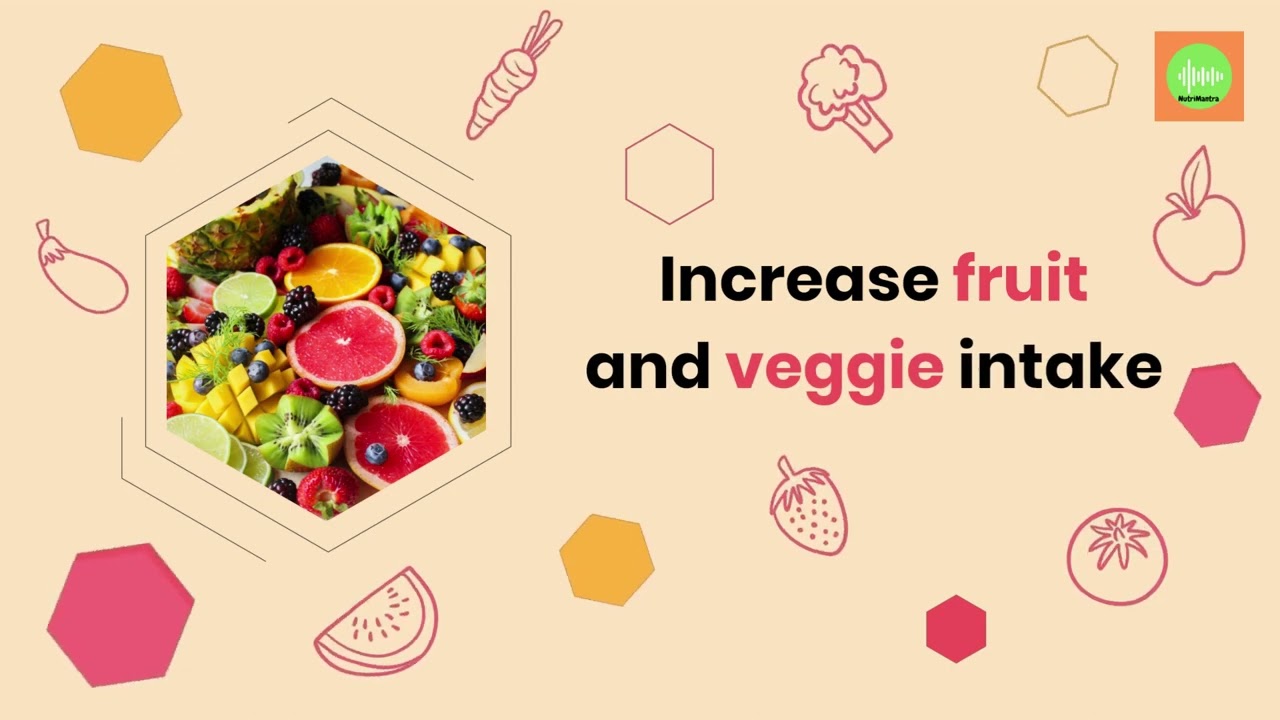
- Fruits and Vegetables: Incorporating a diverse array of fruits and vegetables into your diet provides essential vitamins, minerals, antioxidants, and dietary fibre. These nutrient-dense foods not only support overall health but also help reduce the risk of chronic diseases.
- Whole Grains: Opt for whole grains such as quinoa, brown rice, oats, and barley over refined grains like white rice and white bread. Whole grains retain their fibre and nutrient content, offering sustained energy and promoting digestive health.
- Lean Proteins: Prioritise lean sources of protein such as poultry, fish, legumes, pulses, tofu, and tempeh. These options provide high-quality protein without the excessive saturated fats and additives often found in processed meats.
- Healthy Fats: Incorporate sources of healthy fats such as avocados, nuts, seeds, and olive oil into your meals. These fats support brain function, hormone production, and cardiovascular health, without the detrimental effects associated with trans fats and hydrogenated oils found in processed foods.
As a nutritionist, I feel it is crucial to educate individuals about the adverse effects of processed foods on health and well-being. By emphasising the importance of whole, nutrient-dense alternatives, we can empower individuals to make informed dietary choices and cultivate habits that promote longevity and vitality. Let us heed the wisdom of renowned food scientists and researchers, advocating for a return to nature's bounty and embracing the nourishing power of whole foods.
Image by Steve Buissinne from Pixabay

Shruti Marjara Kushwaha
Nutritionist & Founder, NutriMantra
Shruti blends evidence-based nutrition with practical Indian food guidance, shaped by experience across AIIMS, VLCC, HealthKart, research, counselling, and long-term lifestyle support.
Need help applying this to your routine?
Book a consultation with Shruti for practical, personalised nutrition guidance tailored to your goals, food preferences, and health conditions.
Frequently Asked Questions
What are the health risks associated with consuming processed foods in India?
What are some healthy alternatives to processed snacks commonly found in India?
How can I transition to a diet with less processed food in my Indian household?
Are all processed foods bad for health, or are there some that are acceptable in moderation?
Learn with Shruti

Related Articles

Understanding Dietary Fibre: Benefits, Myths & Smart Tips
“Fibre” comes from the Latin fibra , meaning thread or filament — an apt name for this thread-like component found in plant foods.
Read article →
Working Towards a Healthy You
Much of our waking hours are spent at our offices, bound to our desks. With our schedules being as hectic as they are, healthy eating at work is often not a pr…
Read article →
Fats: Friend or Foe? The Truth About This Misunderstood Nutrient!
Fat in the diet is avoided when we are trying to lose weight / when cholesterol goes up / when we are conscious about our health / when there's an acne ou t br…
Read article →
Comments (0)
No comments yet. Be the first to share your thoughts.
Leave a Comment
Your comment will appear after moderation.